The Bride: When Audience Acclaim Isn't Enough to Conquer the Box Office
In the unpredictable world of cinema, success is often measured by a complex interplay of critical reception, audience satisfaction, and, most crucially, box office performance. Every so often, a film emerges that confounds these metrics, sparking debate about what truly defines a hit. Maggie Gyllenhaal’s highly anticipated sophomore directorial effort, The Bride, is a striking example of this phenomenon. Despite earning a respectable B+ Cinemascore from opening weekend audiences – a strong indicator of viewer satisfaction – the film faced a brutal reality at the box office, signaling a challenging future for its ambitious vision.
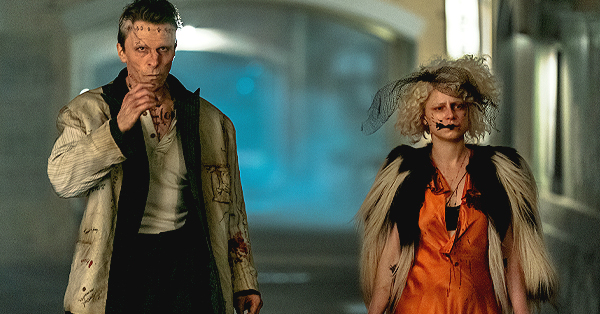
The story of Maggie Gyllenhaal's The Bride: Reimagining a Classic Horror Icon is a fascinating study in the disconnect between initial audience approval and commercial viability. Inspired by the classic 1935 horror film The Bride of Frankenstein, Gyllenhaal sought to breathe new life into an iconic character, focusing on what the original narrative had overlooked. Yet, this innovative approach, while resonating with those who saw it, struggled to translate into widespread theatrical attendance. Let's delve into why The Bride, despite its merits, couldn't secure its happily ever after at the box office.
The Paradox of Praise: The Bride's Strong Audience Reception
For many filmmakers, a B+ Cinemascore is a cause for celebration. Cinemascore polls opening-night audiences, and a B+ suggests that those who chose to see The Bride on its debut were generally pleased with their experience. This metric often correlates with positive word-of-mouth, which can be a powerful driver of sustained box office success. However, for The Bride, this wasn't the case.
The film also garnered mixed but not outright negative critical reviews, landing at 62% on Rotten Tomatoes. While not a "fresh" certified rating, it indicates a significant portion of critics found value in Gyllenhaal's work. Her previous directorial triumph, The Lost Daughter (2021), an Elena Ferrante adaptation, was a critical darling that earned an Oscar nomination for Jessie Buckley. This established Gyllenhaal as a director with a unique voice and an interest in complex female narratives.
With The Bride, Gyllenhaal once again demonstrated her artistic ambition. She famously stated that her inspiration for reimagining the classic stemmed from the realization that "the Bride doesn't speak" in the original film. This artistic intent to give voice and agency to a previously silent character speaks to a thoughtful, character-driven approach that undoubtedly resonated with the audience who opted to see it. It promised a profound, perhaps even subversive, take on a beloved horror icon, moving beyond jump scares to explore deeper psychological themes. But why didn't this artistic promise, combined with strong audience scores, translate into a blockbuster performance?
Unpacking the Box Office Disappointment for The Bride
The numbers for The Bride paint a stark picture of commercial struggle. Opening weekend brought in a disappointing $9 million, with just $2.8 million on its first Friday. The real shock, however, came with projections for its second weekend: a catastrophic drop of around 70% from its already low opening figures. This kind of steep decline indicates a severe lack of sustained interest and a struggle to attract new viewers beyond its initial dedicated fanbase.
The film carried a significant budget of approximately $80 million. To simply break even, a film typically needs to earn at least double its budget at the global box office (due to marketing costs and theatrical cuts). A $9 million opening weekend against an $80 million budget signifies a substantial financial loss, effectively making The Bride a significant box office flop.
Part of the challenge was undoubtedly the competitive landscape. The reference context mentions "Hoppers" dominating the box office, suggesting The Bride was released alongside a formidable competitor that captured a larger share of the moviegoing audience. This highlights a critical lesson for studios and distributors: even a good film can struggle if it's overshadowed or poorly timed against established franchises or popular tentpole releases. For aspiring filmmakers, understanding the release calendar and competitive pressures is as vital as crafting compelling content.
More Than Just Numbers: Factors Beyond Audience Scores
The narrative of The Bride underscores that audience scores and critical reception, while important, are just two pieces of a much larger puzzle determining box office success. Several other factors likely contributed to the film's commercial underperformance:
- Marketing Strategy and Messaging: Was the marketing effective in conveying Gyllenhaal's unique vision for The Bride? Did it accurately target the audience most likely to appreciate a feminist, psychological reinterpretation of a classic horror tale? Or did it create conflicting expectations, leaving traditional horror fans perhaps underwhelmed by a less conventional horror experience, and arthouse audiences unaware of its depth? For an $80 million film, the marketing campaign needs to be precise and powerful enough to cut through the noise.
- Genre Expectations vs. Execution: While inspired by a horror classic, Gyllenhaal's approach leaned more towards character study and gothic drama than traditional horror thrills. This might have alienated a segment of the audience expecting a conventional monster movie, while also not fully capturing the broader arthouse crowd needed to justify its budget. It occupies a challenging space between genres, which can be difficult to market effectively.
- Release Date and Competition: As mentioned, competing with a major box office draw like "Hoppers" is an uphill battle. Studios must carefully consider when and where to release their films to maximize their chances. A niche or artistically ambitious film might benefit from a limited release followed by a gradual expansion, or a less crowded release window.
- Brand Recognition and Star Power: While Maggie Gyllenhaal is a respected actor and a rising director, her name alone, without a major studio franchise backing, may not be enough to draw in the massive audiences required for an $80 million budget film. The Frankenstein monster is iconic, but a nuanced reinterpretation requires more effort from audiences than a direct sequel or reboot of a well-known, action-packed franchise.
- The "Mid-Budget" Predicament: The Bride falls into a challenging category: too expensive for a typical independent film, yet too niche and creatively driven to compete with superhero blockbusters or established franchises. This "mid-budget" space is becoming increasingly difficult for original or re-imagined concepts to thrive in the theatrical market.
These factors combine to show that even when a film genuinely connects with those who see it, the initial hurdle of getting people into seats, especially with a substantial budget, remains a formidable challenge.
The Larger Implications for Hollywood and Filmmakers
The box office struggles of The Bride carry significant implications for the film industry, particularly for ambitious projects from acclaimed directors and the future of original content. The reference context highlights a grim possibility: this "bad tumble" could mean Gyllenhaal's career as a director might be "put on hold for a while." This illustrates the immense pressure on directors, even critically successful ones, to deliver commercially viable films, especially with large budgets.
- Risk Aversion in Hollywood: A commercial disappointment like The Bride often makes studios more risk-averse, favoring established intellectual property (IP) and proven formulas over original or artistically challenging reinterpretations. This can stifle creativity and limit opportunities for filmmakers with unique visions.
- Challenges for Original Storytelling: It becomes harder to secure funding for films that aren't sequels, reboots, or based on popular comic books or video games. The industry increasingly seeks guaranteed returns, making it tougher for projects like Gyllenhaal's to secure significant budgets without a built-in audience.
- The Value of Metrics: This situation forces a re-evaluation of how studios and filmmakers interpret various metrics. A good Cinemascore is valuable, but it's only one piece of the puzzle. It needs to be coupled with effective marketing, strategic release planning, and a clear understanding of the target audience for the budget allocated.
For filmmakers like Maggie Gyllenhaal, the lesson is perhaps less about the quality of her work and more about the delicate balance between artistic integrity and commercial realities. It emphasizes the importance of budgeting appropriately for a film's potential audience, and ensuring the marketing effectively communicates what the film truly offers. To understand more about the potential impact on Gyllenhaal's future, read The Bride's Box Office Flop: What It Means for Maggie Gyllenhaal.
For audiences, this scenario highlights the power of early and sustained support for films that venture outside the mainstream. Supporting diverse cinema, whether in theaters or through streaming, is crucial for encouraging studios to invest in a wider range of stories and directorial voices.
Conclusion
The Bride stands as a poignant reminder that in the modern cinematic landscape, critical acclaim and even strong audience scores are not always enough to guarantee box office success. Maggie Gyllenhaal’s ambitious, thoughtful reimagining of a classic tale, while connecting deeply with its initial viewers, ultimately succumbed to the formidable pressures of a crowded market, high budget expectations, and the complexities of cinematic distribution. It prompts a vital conversation about the future of mid-budget, artistically driven films in an industry increasingly dominated by blockbusters and established franchises. While its box office journey may be over, The Bride's legacy will undoubtedly continue to inspire discussions about artistic vision, commercial viability, and the ever-evolving relationship between filmmakers, audiences, and the intricate machinery of Hollywood.